Solar Panels for Breweries: Cut Energy Bills, Defend Margin
A brewery's continuous refrigeration and daytime production load make it one of the best-matched buildings for solar in the UK. We cut your grid electricity 30 to 60% with a system sized to your actual electrical load, funded by cash, asset finance or a zero-capex PPA.
- MCS Certified
- NICEIC
- RECC
- TrustMark
- RC62 Fire-Safe
ACCREDITED FOR UK COMMERCIAL & INDUSTRIAL WORK






The honest reason breweries are a textbook solar candidate
UK breweries are energy-intensive, daytime-weighted businesses, and that makes them one of the best-matched building types for solar in the country, provided the array is sized honestly. The first thing a specialist tells a brewer that a generalist never does is that roughly 70% of a brewery's energy is thermal process heat (the wort boil, the hot liquor tank, CIP and steam), which solar panels cannot offset directly, and only about 30% is electricity. But that electrical load is exactly the load solar is best at: refrigeration and glycol chilling alone are around 35% of a brewery's electricity and run 24 hours a day through fermentation, joined by packaging lines, compressed air and pumps that run through the daytime production shift. That demand lands directly under the solar generation curve, so a brewery typically self-consumes 75 to 90% of everything its array makes at the full 22 to 30p import rate rather than exporting it cheaply, which is what drives four-to-seven-year paybacks. A craft microbrewery roof of 350 to 1,800 square metres supports a 30 to 150 kWp array; a regional brewery with distribution-centre roofs runs 250 to 750 kWp. Add the Brewing-sector Climate Change Agreement, the Annual Investment Allowance, and a business-rates exemption that runs to 2035, and on-site solar becomes one of the few levers a brewer can pull to defend margin in a sector losing three breweries a week.
The thing a specialist tells you that a generalist never does: solar cannot heat your copper. Around 70% of a brewery's energy is thermal, and panels do not touch it. What they do brilliantly is your electrical load, and specifically the part that runs all day, every day: refrigeration and glycol chilling, the single biggest electrical consumer, cooling live fermentation around the clock. Solar feeds that steady baseload directly, packaging and CIP soak up the daytime peaks, and very little is exported, which is exactly why the paybacks are short.
- We are honest that solar offsets your electrical load, about a third of your energy, and we lead with your biggest electrical load, refrigeration, which runs 24/7 and drives 75-90% self-consumption.
- We size from your half-hourly meter data and your real brewery load, glycol chilling, packaging, compressed air, CIP, not from a rule of thumb or your total energy bill.
- We help you attack the thermal 70% too, diverting surplus solar into your hot liquor tank or pairing PV with an industrial heat pump, a route no generalist even mentions.
- We design around your DSEAR hazardous areas, CO2 recovery and food-safety production, so the array never compromises compliance, details a warehouse installer never checks.
The commercial case for brewery solar
From first call to commissioning in 3-6 months
A clear, transparent process, no shutdown of your brewery, no high-pressure sales.
- 01Day 1-7
Free desk feasibility
We pull your half-hourly meter data and roof drawings and model an array sized to your refrigeration, packaging and CIP load.
- 02Week 2-4
On-site survey
Structural and electrical engineers survey the roof, supply, CO2 and cold-store areas. Fixed-price proposal follows.
- 03Month 1-3
Permits & G99
We confirm Class J permitted development or Listed Building Consent, submit the G99 grid application, and coordinate DSEAR and food-safety.
- 04Month 3-6
Install & commission
On site for one to three weeks, worked around your brew days with no shutdown. Commissioning, training and monitoring active.
Specialists across every brewing and craft-drinks trade
Craft microbreweries, brewpubs, regional breweries, nanobreweries, distilleries and cideries each have their own load, sizing and compliance. Pick yours.
 Most common
Craft Microbreweries
30-150 kW. 5-year payback. £24,000-£135,000.
Brewpubs & Taprooms
15-60 kW. 5-year payback. £13,000-£54,000.
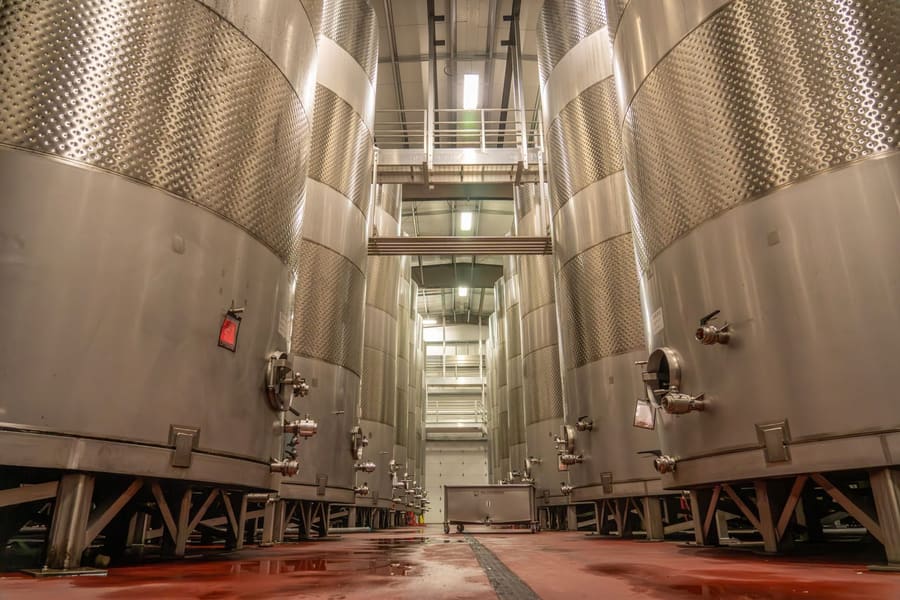
Regional & Independent Breweries
250-750 kW. 4.5-year payback. £150,000-£500,000.
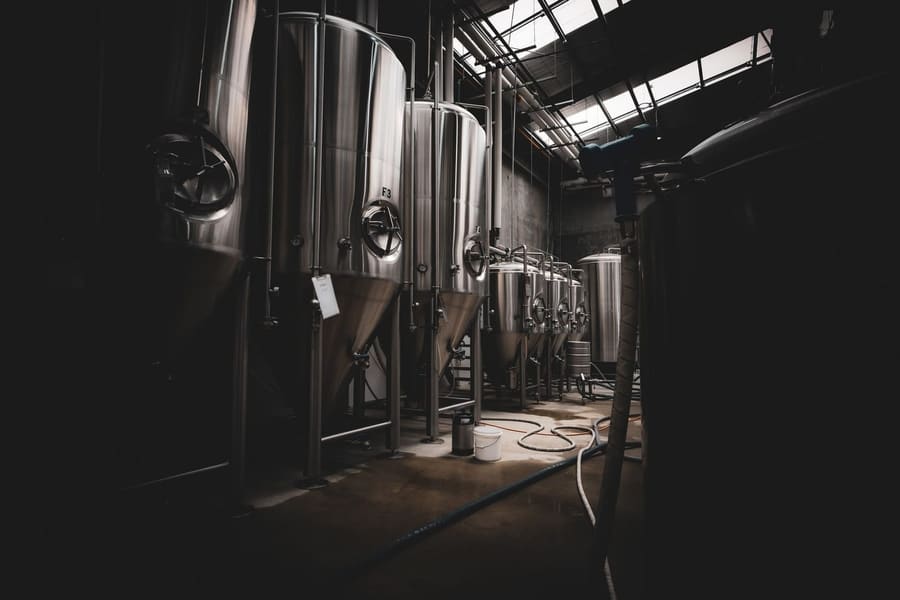
Nanobreweries & Startup Breweries
6-30 kW. 6.5-year payback. £6,000-£27,000.
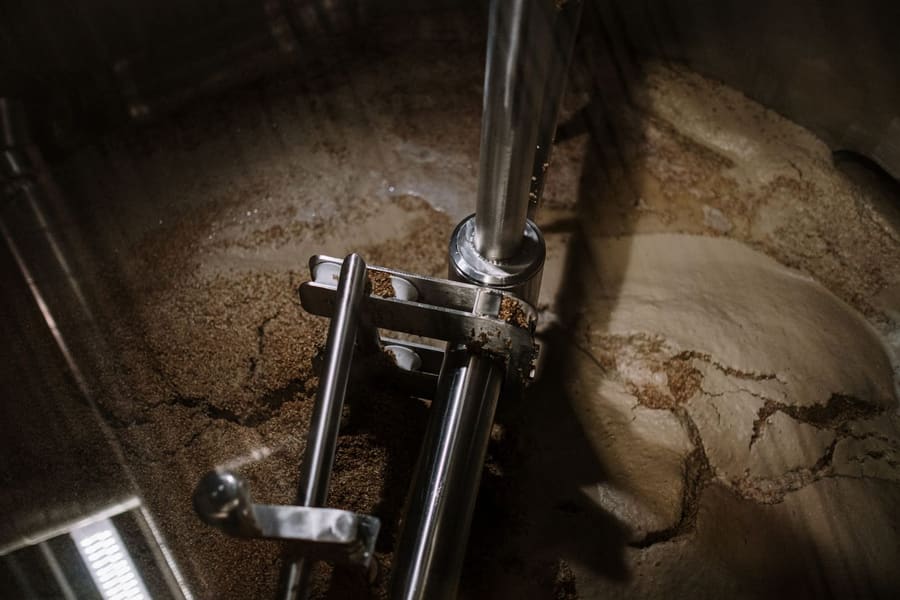
Distilleries
50-500 kW. 5-year payback. £40,000-£350,000.
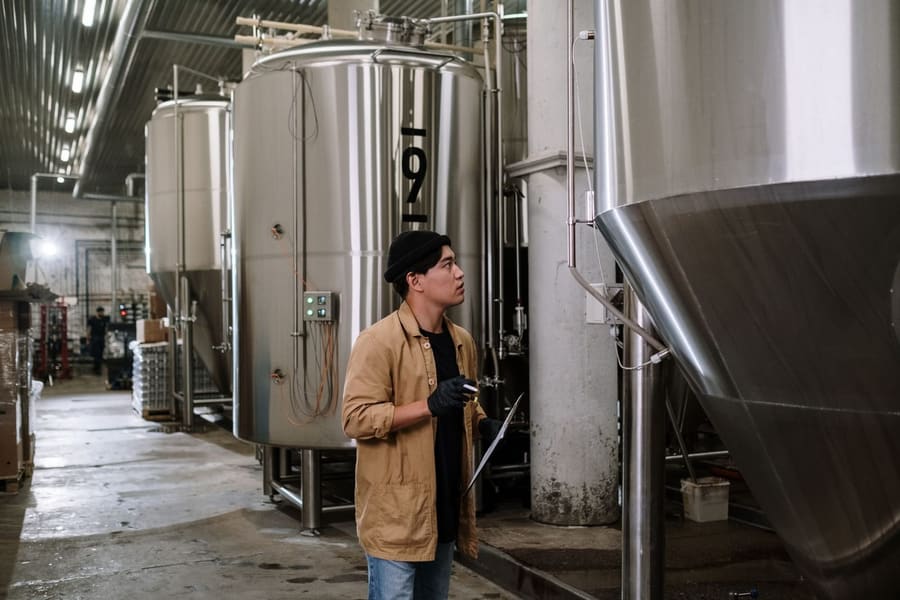
Cideries & Cider Makers
30-200 kW. 5-year payback. £24,000-£160,000.
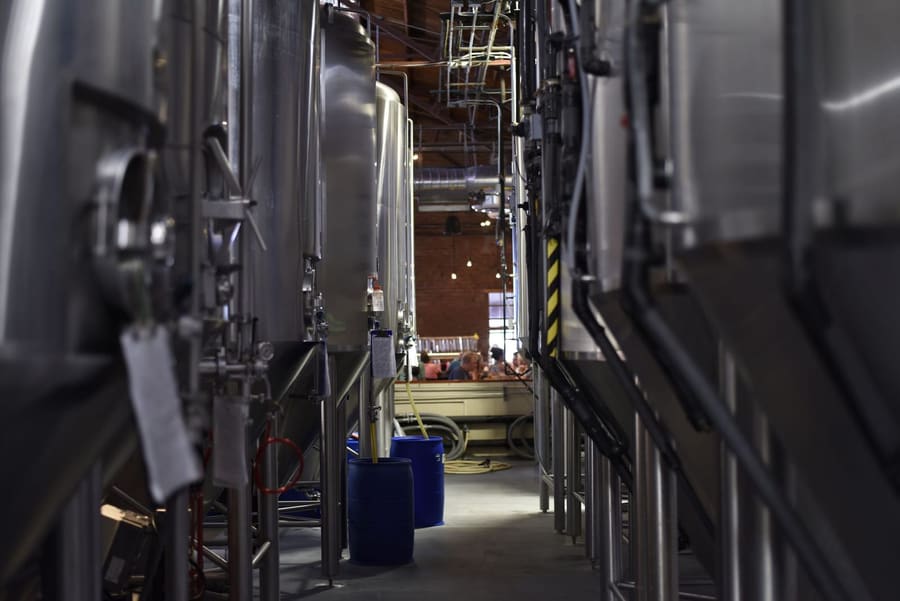
220 kW rooftop install for a growing craft brewery in Yorkshire
An expanding craft brewery producing around 30,000 hectolitres a year in a 1,600 square metre industrial unit, running a glycol chilling plant, a canning line, compressed air and CIP on a daytime brewing schedule with continuous fermentation cooling. A doubled electricity bill was squeezing margins in a tough market, and a supermarket customer had begun asking for Scope 2 data. The steady refrigeration baseload made the site a high-self-consumption candidate.
Brewery solar specialists vs generalist contractors
| Specialist (us) MCS-certified, brewery-focused | Generalist contractor General electrical / building | In-house DIY Self-managed | |
|---|---|---|---|
| MCS commercial certification | |||
| Sizes to your electrical load, not your total energy bill | |||
| Honest about the 70% thermal load solar can’t reach | |||
| Designs DC routing around CO2 & DSEAR zones | |||
| Food-safety contamination plan over live production | Sometimes | ||
| Maps the Brewing CCA / CCL relief correctly | |||
| Heat-pump / immersion route for the thermal load | |||
| RC62 fire-safe design + IWA 10-yr warranty |
BEFORE YOU BUY
The four decisions that decide your payback
A brewery solar project is not just panels on a roof. Four decisions, more than anything else, set your return: what it costs, how big it should be, how you connect it, and how you fund it. These guides walk through each one for a brewery.
What it costs
Real UK prices per kWp and by brewery size, before and after tax relief.
How to size it
Why you size to your electrical load led by refrigeration, not your total energy bill.
Grid connection (G99)
Three-phase supplies, DNO timelines, and G100 export limitation for a brewery.
How to fund it
Cash and AIA, asset finance, or a zero-capex PPA for owned or leased units.
Solar built around your brewery's load, not a catalogue
UK breweries now pay 22p to 30p per kWh on commercial electricity contracts, roughly double the rate of three years ago, and in a sector losing around three breweries a week that rising, volatile bill lands straight on an already thin margin. Energy is now the biggest controllable cost after grain and duty, and on-site solar is the most reliable way to take a permanent slice out of it. But brewery solar is a specialist job, and the first thing we will tell you is what a lot of installers will not.
Honesty first: solar offsets your electricity, not your boil
Roughly 70% of a brewery's energy is thermal, the heat that goes into the hot liquor tank, the mash and the wort boil, and solar panels cannot supply that directly. Anyone promising to wipe out your whole energy bill with a roof of panels is overselling. What solar does brilliantly is the other ~30%, your electrical load, and a brewery's electrical load happens to be the best-shaped load for solar of almost any building type. We size the array to that electrical demand from 12 months of your half-hourly meter data, and we are straight with you about where the numbers land.
Refrigeration is the reason the economics work
Refrigeration and glycol chilling are the single biggest electrical load in a brewery, around 35% of your electricity, and they run 24 hours a day because fermentation is exothermic and your vessels must hold temperature. That gives you a large, steady, continuous daytime baseload sitting directly under the solar generation curve. Add the packaging lines, compressed air, pumps and CIP that run through your production shift, and a brewery typically self-consumes 75 to 90% of everything its array makes, at your full import rate rather than exporting it cheaply at 12 to 16p. High self-consumption is the entire economic case for solar, and a brewery has it built in. Our savings calculator gives an indicative figure in seconds, and the cost guide sets out real prices by brewery size.
We help you attack the thermal 70%, too
Because we are honest that panels do not heat your boil, we also show you the routes that do. Surplus midday solar can be diverted through a simple immersion element into your hot liquor tank, storing generation you would otherwise export cheaply as hot water for mashing and CIP. More powerfully, an industrial heat pump can electrify low- and medium-grade process heat at a coefficient of performance of around 2.5 to 3.5, and vapour-recompression heat pumps have recovered brewery waste heat to make process steam far more efficiently. Pairing PV with a heat pump is how a brewery begins to decarbonise the thermal load that solar alone cannot reach, and it is a conversation no generalist installer will start.
Every brewing trade sizes differently
A nanobrewery and taproom, a growing craft microbrewery, a regional brewery with distribution-centre roofs, a Scotch or gin distillery and a farm cidery all size and pay back differently, which is why we build around the trade rather than swapping a noun on a template. Explore the profile for craft microbreweries, brewpubs and taprooms, regional and independent breweries, nanobreweries and startups, distilleries and cideries and cider makers, each with its own typical sizing, payback and compliance notes.
The funding a brewery can actually claim
Most brewery installs do not need capital up front. Asset finance spreads the cost over five to seven years and is usually cash-flow positive from month one, because the finance payment is smaller than the bill it replaces, while a Power Purchase Agreement needs no capex at all and suits tenants and shorter leases. If you buy outright, the Annual Investment Allowance lets a profitable company deduct the first £1m of qualifying spend from taxable profit in year one, and the VAT is reclaimable for a VAT-registered business. Solar is special-rate plant, so it does not qualify for full expensing, and we model the relief you can actually claim rather than the headline several installers get wrong. On top of that, breweries in the sector Climate Change Agreement pay just 8% of the Climate Change Levy on electricity, a 92% discount, and electricity you generate and use on site is outside the levy entirely. See the routes side by side on the grants and funding page.
Grid connection, listed buildings and old roofs are the things to check early
Because a brewery runs heavy three-phase loads, almost every array needs a G99 application to your Distribution Network Operator and a connection offer before installation, so we submit it alongside the structural survey to start the clock on day one and use G100 export limitation where capacity is tight. Two other early checks matter more for breweries than for a plain warehouse: many historic tower breweries, maltings and town-centre brewpubs are listed or in a conservation area, where permitted development does not apply and we handle the Listed Building Consent; and older buildings often have asbestos-cement or fragile roofs that cannot take rooftop PV directly. We survey all of it before you commit. Local grid capacity and council net-zero targets shape a project too, so each of our area guides covers the local picture for a major UK brewing city.
The details a generalist misses
A brewery is a food business with hazardous areas, and that changes how solar is installed. Your CO2 recovery plant and malt-dust handling create DSEAR-zoned areas, so DC isolators, cabling and inverters must respect the site's hazardous-area classification. Roof works happen over open production, so we run a food-safety contamination plan to protect your BRCGS or SALSA certification. Your glycol plant brings F-gas obligations, and your insurer increasingly expects an RC62-compliant fire-safe design. We are MCS-certified for commercial work, NICEIC-registered, and RECC and TrustMark licensed, and every install carries a ten-year insurance-backed workmanship warranty on top of the 25-year panel warranty. If your roof, load profile or tenure do not suit solar, we will say so. When you are ready, request a free quote or read the questions we hear most on our FAQs page.
Brewing cities we cover
Solar for breweries, brewpubs and distilleries across the UK's brewing heartlands. Click any area for the local brewing scene, council schemes and grid connection timescales.
London
Greater London. 8,908,081 population. Greater London Authority 2030 net zero.
Birmingham
West Midlands. 1,141,816 population. Birmingham City Council 2030 net zero.
Leeds
West Yorkshire. 793,139 population. Leeds City Council 2030 net zero.
Sheffield
South Yorkshire. 584,853 population. Sheffield City Council 2030 net zero.
Manchester
Greater Manchester. 568,996 population. Manchester City Council 2038 net zero.
Bradford
West Yorkshire. 546,412 population. Bradford Council 2038 net zero.
Common questions
The questions we hear most from brewery owner-founders and production directors.
How much do solar panels for a brewery cost in the UK?
A typical brewery solar installation ranges from around £6,000 for a nano or small-batch brewery to over £500,000 for a large regional brewery with distribution-centre roofs. Cost per kWp is usually £800 to £1,100 for small systems, falling to roughly £550 to £700 above 250 kWp. Most installs are written off in year one under the Annual Investment Allowance, and paybacks typically land between four and seven years thanks to the high self-consumption a brewery's continuous refrigeration load delivers.
Will solar panels actually offset a brewery's energy bill when most of our energy is gas?
Partly, and it is important to be honest about which part. Roughly 70% of a brewery's energy is thermal process heat, the wort boil, hot liquor and steam, which solar PV cannot offset directly. The other ~30% is electricity, and that is where solar excels: refrigeration and glycol chilling alone are about 35% of your electricity and run 24/7 during fermentation, so demand sits under the solar curve and you self-consume 75 to 90% of what the array makes. We size the array to your electrical load, and where it pays we look at diverting surplus solar into your hot liquor tank or a heat pump to start reducing the thermal load too. What we never claim is that panels will eliminate your whole energy bill.
What size solar system does my brewery need?
System size should match your daytime electrical load, not your roof area or your total energy use. We pull 12 months of half-hourly meter data and size the array to cover roughly 70 to 90% of daytime electrical consumption, anchored on the refrigeration, cold-store, compressed-air and pump loads that run all day. As a guide, that is typically 6 to 30 kWp for a nanobrewery, 30 to 150 kWp for a craft microbrewery, and 250 to 750 kWp for a regional brewery. You can also estimate from production: a typically-run brewery uses about 8 to 16 kWh of electricity per hectolitre, with craft and nano sites running higher.
Why are breweries such a good fit for solar panels?
Because a brewery's electrical demand is daytime-weighted and largely continuous. Refrigeration and glycol chilling, the single biggest electrical load, run around the clock through fermentation, and packaging lines, compressed air and pumps run through the daytime shift, so demand lands almost exactly under the solar generation curve. That means 75 to 90% of everything the array generates is used on site at your full 22 to 30p import rate rather than exported cheaply at 12 to 16p. High self-consumption is what drives short paybacks, and a brewery has it built in.
What tax relief and grants can a brewery get for solar?
The main relief is capital allowances: the Annual Investment Allowance gives 100% year-one tax relief on the first £1m of qualifying spend, which covers most brewery installs, worth up to about 25% of the cost for a profitable company. On-site solar and battery are also exempt from business rates in England to 2035, and the Smart Export Guarantee pays for exported power. Breweries in the sector Climate Change Agreement get a large discount on the Climate Change Levy (92% on electricity, 89% on gas from April 2026), and self-generated on-site solar is not liable for CCL at all. Note that solar is special-rate plant, so it does not qualify for full expensing, and the Industrial Energy Transformation Fund is now closed. We map the right combination and point you to current HMRC guidance rather than fixed figures.
Is commercial solar for a brewery zero-rated for VAT?
No. The 0% VAT rate on solar applies to domestic installations only. A commercial brewery installation is standard-rated at 20% VAT. The important point is that a VAT-registered brewery, which is nearly all of them, reclaims that 20% in full on its VAT return, so it is a cash-flow item rather than a real cost. Any installer telling you a brewery gets 0% VAT is applying the domestic rule incorrectly.
Get a free brewery solar quote
Responds within one working day
- 1. Free desk feasibility from your meter data and roof, no obligation.
- 2. Site survey and a fixed-price proposal, itemised in writing.
- 3. Install and aftercare by MCS-certified engineers.
- MCS Certified
- NICEIC
- RECC
- TrustMark